
How Pet Relocation Works: From Your First Call to Delivery
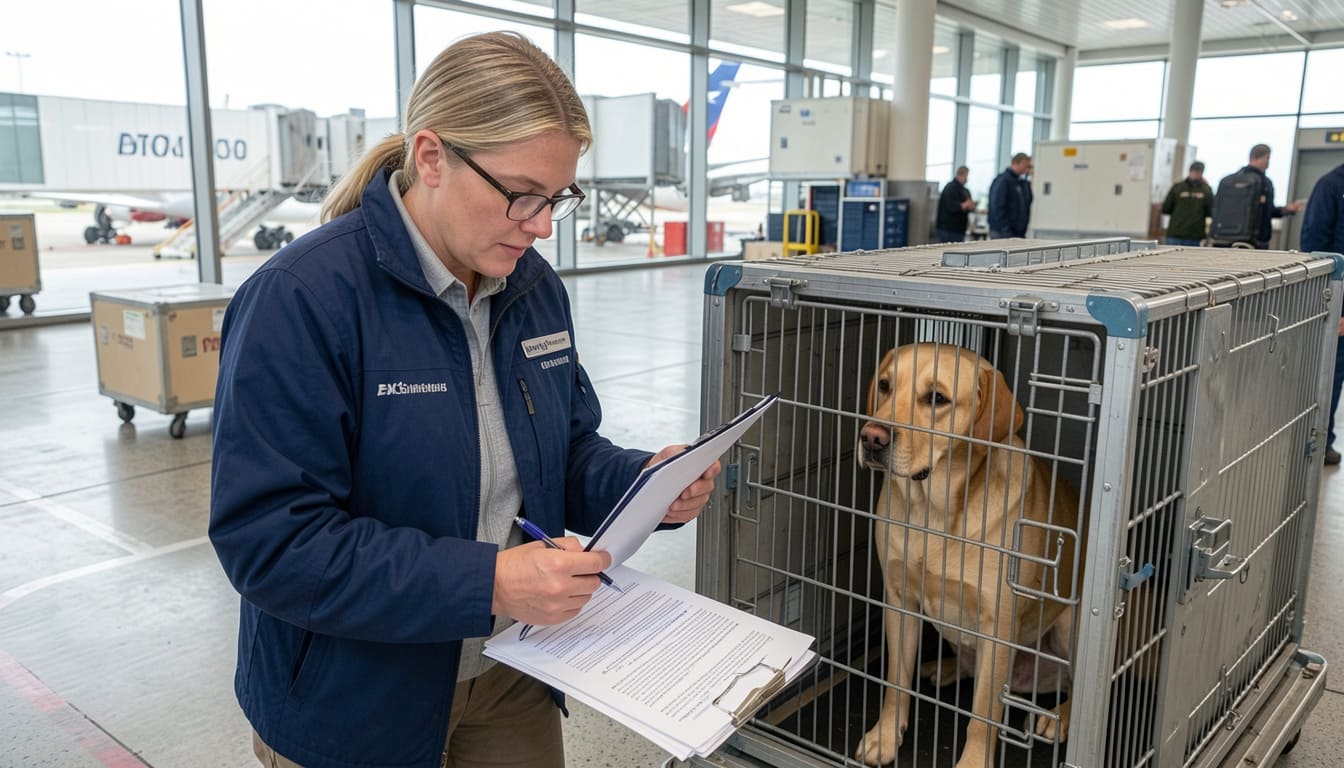
The process from first call to delivery
The first call to a pet relocation service usually starts with the same question: what actually happens? The process can feel opaque from the outside, especially when you are entrusting your pet to someone for the first time. Here is how it works, step by step, from the moment you reach out to the moment your pet arrives at their new home.
Step 1: Initial consultation
Everything starts with a conversation. You tell us where you are, where you are going, when you need to move, and what kind of pet you have (breed, size, age, any health considerations). We ask about your pet’s temperament, travel history, and any concerns you have.
From this, we build a preliminary plan: the route, the timeline, the required documents, and an estimated cost. If your destination requires a rabies titer test or other long-lead items, we flag those immediately so you can start early.
Ready to start planning your pet’s move?
Request a quote and we will put together a detailed plan and price for your specific route.
Prefer to talk? Give us a call at 1-877-540-0555.
Step 2: Document preparation
This is where most of the complexity lives. Depending on your destination, the paperwork may include:
- Microchip verification (ISO 15-digit standard)
- Rabies vaccination (current, with proper documentation)
- APHIS-endorsed health certificate (for international moves from the US)
- Import permit (required by Australia, Singapore, Japan, and others)
- Rabies titer test (for Japan, Australia, Hawaii, and others)
- Parasite treatments (tapeworm treatment for UK entry, for example)
- Airline-specific health forms
We coordinate this with your veterinarian, making sure the right tests and treatments happen in the right order within the right time windows. The USDA health certificate timing is especially tight: it must be endorsed within days of travel for most destinations.
Step 3: Crate selection and preparation
Your pet travels in an IATA-compliant crate sized to their measurements. The crate must be large enough for your pet to stand up, turn around, and lie down comfortably. It needs proper ventilation, secure latches, and labeling with your contact information and “Live Animal” stickers.
We help you choose the right crate size and set it up correctly. If you already have a crate, we check whether it meets airline and IATA requirements. If not, we source one that does.
We also recommend crate training your pet before travel. A pet that is comfortable in their crate travels calmer and safer. Even a few days of practice makes a difference.
Step 4: Airline booking
Pet cargo space on airlines is limited. Not every flight accepts pets, and popular routes fill up fast. We book the flight based on:
- Direct routes (fewer connections mean less stress and risk)
- Temperature conditions at origin, transit, and destination (avoiding heat and cold embargoes)
- Airline acceptance of your pet’s breed and size
- Alignment with your own travel schedule when possible
For brachycephalic breeds (bulldogs, pugs, etc.), airline selection is more limited, and we may route through carriers that accept these breeds or arrange ground transport instead.
Step 5: Pre-travel vet visit
Within the required window before travel (often 10 days for international moves), your pet visits the vet for a final examination. The vet completes the health certificate, confirms vaccinations are current, and verifies the microchip reads correctly.
We coordinate the timing of this visit so the certificate stays valid through your pet’s travel date. For international moves, the certificate then goes to the USDA for endorsement.
Step 6: Travel day
On travel day, your pet is picked up and transported to the airport. We handle the airline check-in process, including presenting all required documents, having the crate inspected, and confirming the pet is on the manifest.
Your pet is loaded into the hold (for cargo travel) or goes with you through the gate (for in-cabin).
Step 7: Tracking and updates
While your pet is in transit, we track the flight and keep you updated. You will know when your pet has been loaded, when the flight departs, and when it arrives. If there are any delays or changes, we manage them and let you know immediately.
Step 8: Arrival and customs
At the destination, your pet goes through the country’s animal import process. This may include a document review by customs or quarantine authorities, a brief physical inspection, and verification of microchip and vaccination records.
For countries with quarantine requirements (like Australia), your pet is transferred to the quarantine facility. For countries without quarantine, your pet is released after the inspection.
We coordinate pickup at the destination airport or quarantine facility and delivery to your new address.
Step 9: Post-arrival
After your pet arrives, we check in with you to make sure they are settling in well. Helping your pet adjust to a new home after travel takes patience. Most pets recover from travel stress within a few days, especially with familiar items like their bed, toys, and your presence.
How long the whole process takes
The timeline depends on the destination:
- Domestic moves (within the US): 2 to 4 weeks from first contact to travel
- International to Canada or Mexico: 3 to 6 weeks
- International to Europe (UK, EU): 4 to 8 weeks
- International to Japan: 7 to 8 months (due to the 180-day titer test waiting period)
- International to Australia: 4 to 6 months (due to import permit processing and quarantine scheduling)
The earlier you start planning, the more flexibility you have with routes, timing, and cost.
Ready to start planning?
Every move is different, and the best way to understand what yours involves is to talk through the specifics. Request a quote with your details and we will send you a clear plan covering every step from documents to delivery.
Frequently asked questions
Do I need to be on the same flight as my pet?
No. Your pet can fly unaccompanied as cargo (called “manifest cargo”). Shipping your pet separately is common, especially during international relocations where the owner and pet may travel on different dates. We handle the full logistics either way.
Can you move dogs, cats, and other animals?
Yes. We relocate dogs, cats, birds, rabbits, and other animals. Some species have additional airline and import restrictions. Exotic animals like parrots require CITES permits and species-specific documentation.
What if my pet has a health condition?
Let us know during the consultation. Some conditions may require a vet fitness-to-fly letter or adjustments to the travel plan. We work with your vet to make sure your pet is safe to travel.
How do I prepare my pet for the flight?
Crate training is the most important preparation. Let your pet spend time in the travel crate at home in the days and weeks before travel. Feed them in the crate, let them nap in it, and make it a positive space. On travel day, do not feed a full meal within 4 to 6 hours of the flight to avoid motion sickness.
Is pet sedation recommended for travel?
No. American will not accept a dog or cat that has been sedated or tranquilized, and Delta does not permit sedation of the dogs and cats it ships. Sedation can affect breathing, heart rate, and balance, especially at altitude. If your pet has severe travel anxiety, discuss options with your vet, but sedation is almost never the right choice for air travel.
Sources
Checked August 2026.
- USDA APHIS, pet travel process overview. The five step sequence, and the reason timing is tight: an endorsed certificate can be valid for as little as 30 days.
- USDA APHIS, using the Veterinary Export Health Certification System. The electronic endorsement route, which now accepts electronic signatures for live animal export certificates.
- USDA APHIS, accredited veterinarians certifying animals for international travel. What accreditation means, and what the vet has to do before signing.
Last updated